Disclaimer: As an Amazon Associate, “Furniture UK” earns from qualifying purchases.
Preparing your home for sale isn’t about making it perfect. It’s about removing doubt.
Most buyers don’t expect a show home. What they’re looking for is reassurance: that the property is cared for, functional, and easy to imagine living in. The homes that sell fastest — and often for more — are the ones that feel calm, looked after, and free from obvious friction.
This guide is written for real UK homes. Not idealised magazine spaces. Just practical steps that help buyers feel confident saying yes.
Think like a buyer, not an owner
The most critical shift happens before you do anything practical.
Once you decide to sell, your home stops being your personal space and starts being a product. Buyers aren’t judging your taste — they’re subconsciously asking:
-
Does this feel easy to move into?
-
What will I need to fix?
-
Is anything being hidden?
-
Can I imagine my life here?
Everything you do from this point on should remove questions, not create new ones.
Decluttering: the fastest way to add value (without spending money)
Decluttering is non-negotiable. Even well-decorated homes feel smaller and less appealing when they’re full of personal items.
What buyers notice immediately
-
Overfilled shelves
-
Crowded furniture layouts
-
Busy kitchen worktops
-
Stuffed wardrobes and cupboards
If a room feels tight, buyers assume the house lacks storage — even if it doesn’t.
Rule of thumb: remove around 30–40% of visible items from every room.
Clean for viewings, not for living
Most people clean regularly. Selling clean is different.
Buyers notice:
-
Skirting boards
-
Light switches
-
Door handles
-
Window frames
-
Bathroom grout
-
Extractor fans
These details signal how the home has been maintained.
Kitchens and bathrooms deserve extra attention
You don’t need a new kitchen or bathroom — you need them to feel hygienic and cared for.
Focus on:
-
Deep cleaning appliances
-
Replacing mouldy silicone
-
Polishing taps
-
Clearing surfaces
A clean but dated bathroom is far more reassuring than a newer one that feels neglected.
Fix the “small” issues buyers always clock
Loose handles. Dripping taps. Cracked sockets. Doors that don’t quite shut.
Individually, they’re minor. Together, they suggest neglect.
Buyers often mentally multiply minor fixes into considerable future costs.
If something is:
-
Cheap to fix
-
Quick to repair
-
Easy to notice
…do it before viewings start.
Paint with restraint (not everywhere)
Fresh paint helps — but only when it’s strategic.
When repainting makes sense
-
Scuffed walls
-
Strong or very dark colours
-
Patchy finishes
-
Highly personalised rooms
Neutral, light tones help rooms feel brighter and larger, which matters in UK housing stock.
Stick to:
-
Soft whites
-
Warm greys
-
Neutral beiges
You don’t need to repaint the entire house. Focus on:
-
Hallways
-
Living rooms
-
Main bedrooms
First impressions start before the front door
Buyers start judging the property before they step inside.
Outside quick wins
-
Tidy paths and borders
-
Clear bins from view
-
Clean the front door
-
Remove weeds
Even for flats, communal areas and entrances matter.
Inside the hallway
-
Clear shoes and coats
-
Good lighting
-
Neutral smell
-
Clean floors
This sets expectations for the rest of the home.
Use light to your advantage
Light sells homes — especially in the UK.
Natural light
-
Clean windows inside and out
-
Open curtains and blinds fully
-
Remove heavy window dressings where possible
Artificial lighting
-
Replace dim bulbs
-
Use warm lighting consistently
-
Make sure every room is well-lit
Dark rooms feel smaller, even when they aren’t.
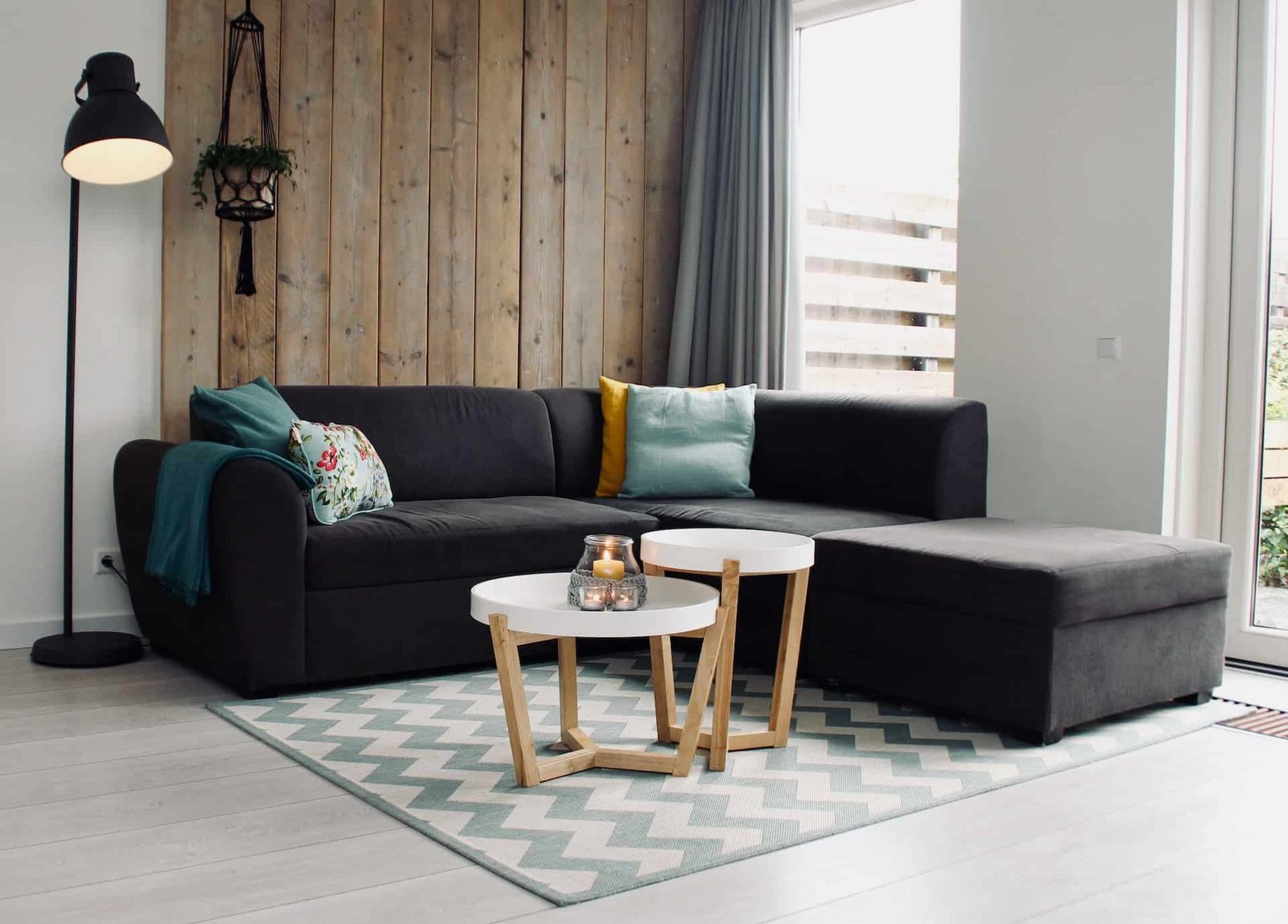
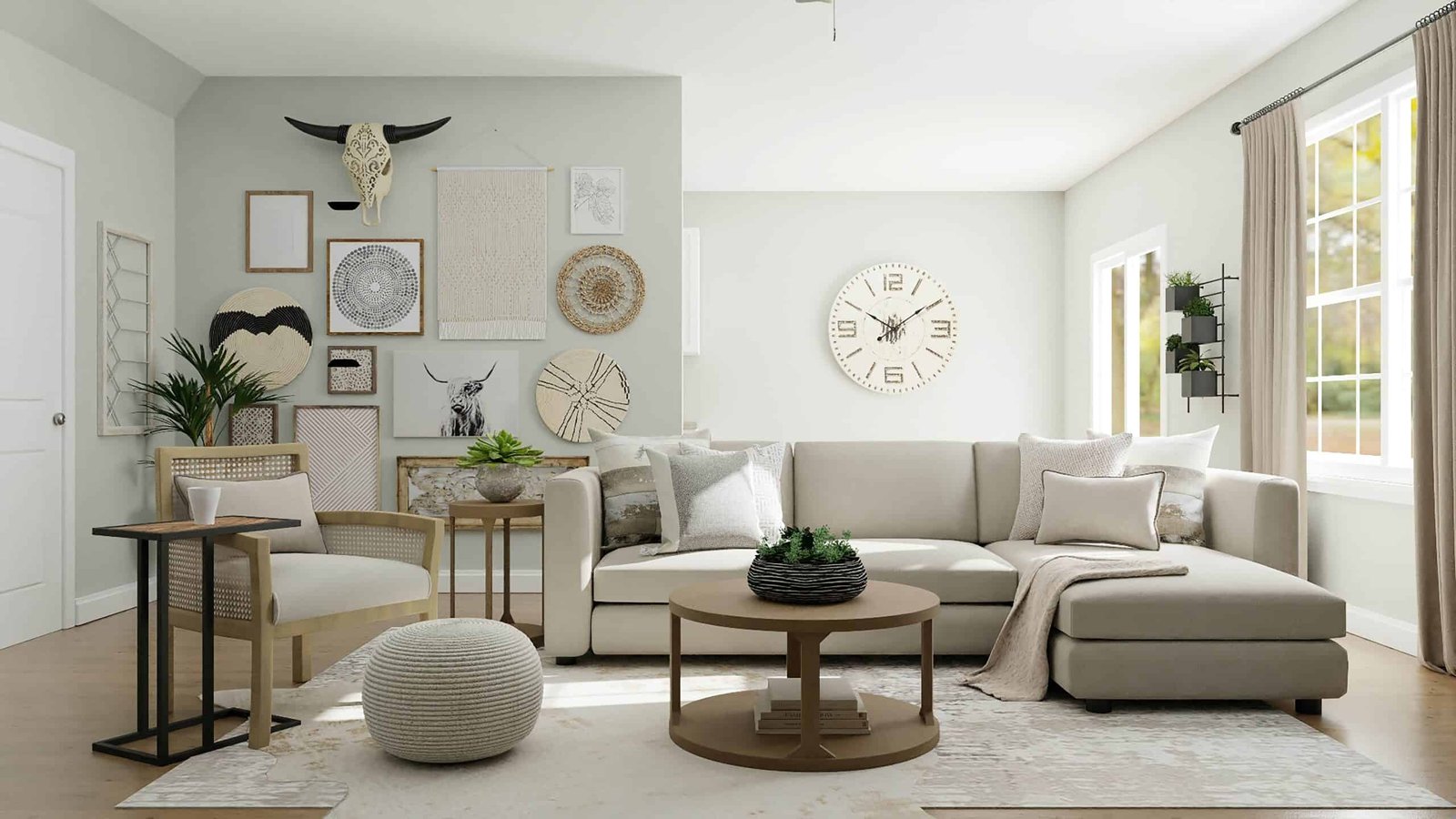
Arrange furniture to show space, not ownership
Furniture layout often makes or breaks a viewing.
Common mistakes
-
Too much furniture
-
Oversized sofas
-
Beds dominating bedrooms
-
Furniture blocking natural walkways
Better approach
-
Create clear routes through rooms
-
Show how spaces function
-
Leave breathing room around key furniture
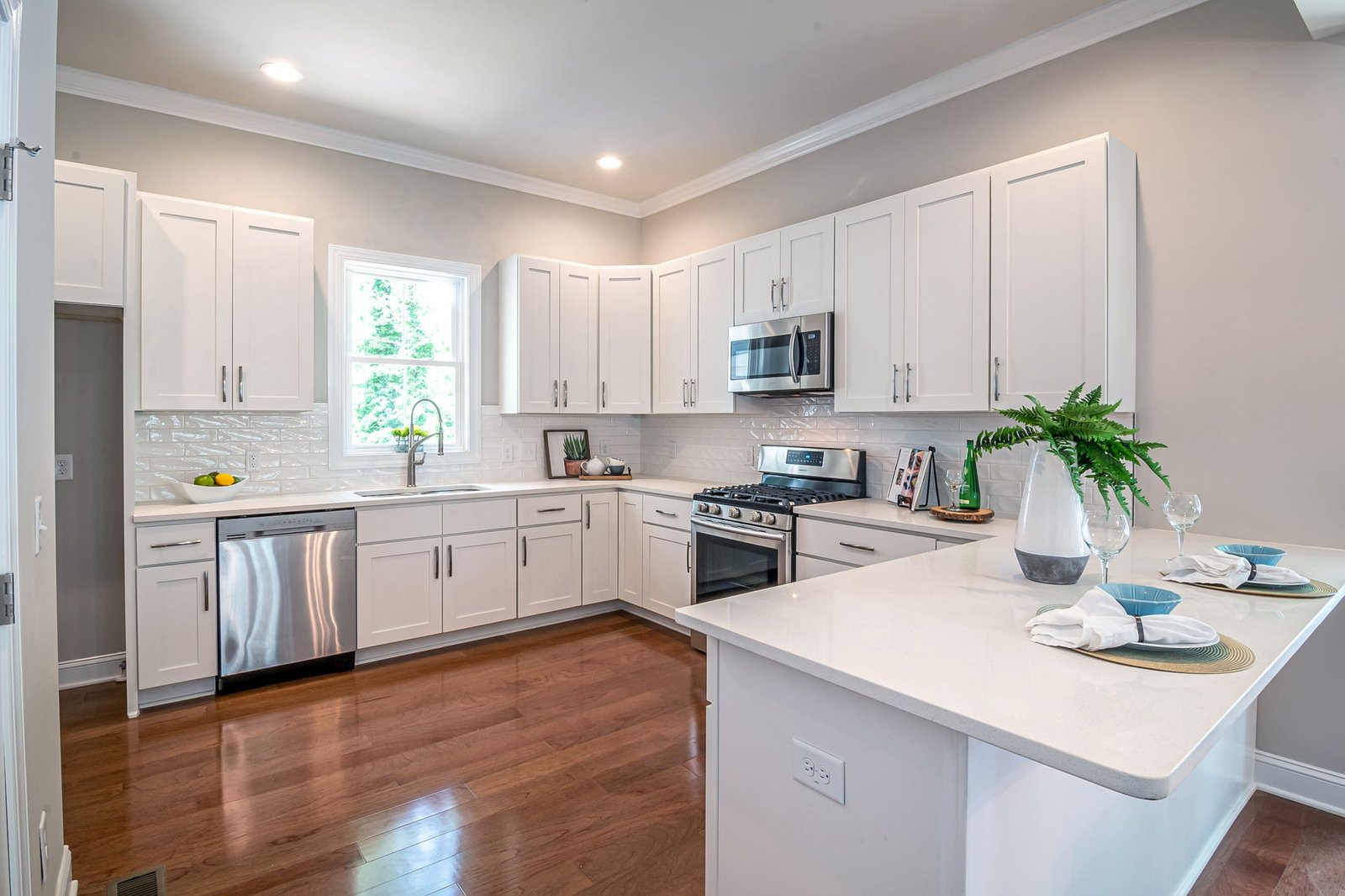
Kitchens: presentation over renovation
A complete kitchen replacement rarely pays back before a sale.
Instead:
-
Replace tired handles
-
Fix broken cupboard doors
-
Clean thoroughly
-
Refresh silicone seals
Buyers want to know the kitchen works—not that it’s brand-new.
Bathrooms: reassurance beats luxury
Bathrooms trigger emotional reactions.
Focus on:
-
Deep cleaning tiles and grout
-
Fixing leaks
-
Replacing toilet seats
-
Removing mould
-
Improving ventilation
Clean, fresh, and functional beats stylish but scruffy every time.
Bedrooms should feel calm and neutral
Bedrooms sell the idea of rest.
Keep them:
-
Uncluttered
-
Light
-
Neutral
Remove:
-
Excess furniture
-
Personal photos
-
Overfilled wardrobes
Storage: buyers will open everything
Overstuffed storage suggests there isn’t enough of it.
Tidy:
-
Wardrobes
-
Cupboards
-
Under-stairs storage
-
Lofts (if accessible)
Storage doesn’t need to be empty — just organised and usable.
Smell matters more than décor
Buyers notice smells instantly.
Avoid heavy air fresheners — they raise suspicion.
Instead:
-
Ventilate regularly
-
Clean fabrics
-
Address damp or pet smells at source
A neutral-smelling home feels safer and more welcoming.
Outdoor space still sells
Even small gardens, balconies, or patios influence decisions.
Quick wins:
-
Cut grass
-
Sweep surfaces
-
Remove broken furniture
Help buyers imagine using the space.
Professional photos are not optional
Most buyers decide whether to book a viewing based on photos alone.
Good photography:
-
Shows space accurately
-
Captures light
-
Increases viewing numbers
-
Helps justify asking price
This is one of the best value investments when selling.
Preparation gives you leverage
Preparing your home for sale isn’t about tricking buyers. It’s about removing uncertainty.
The best-prepared homes:
-
Attract more interest
-
Sell faster
-
Negotiate from a stronger position
If a buyer walks in and thinks “I wouldn’t need to do much here”, you’ve done your job.